
Put the crew schedule into the request
Describe the people present during the busiest shift, including overlapping trades or supervisors who cannot use an indoor facility. A project duration alone does not explain how intensely the equipment will be used.
Tell us when work begins and which receiving period the site can accommodate. If a project is occupied or open to visitors, identify which facilities are reserved for the crew and which remain available to other people.
Protect the service route as work progresses
Equipment positioning needs review alongside fencing, storage and vehicle movements. Ask the provider to assess the proposed approach rather than relying on the fact that a smaller site vehicle can enter.
Nominate someone to report layout changes before they obstruct servicing. If a unit needs a new position, discuss relocation with the rental team; moving it informally can create access and handling problems.
Manage the ongoing arrangement
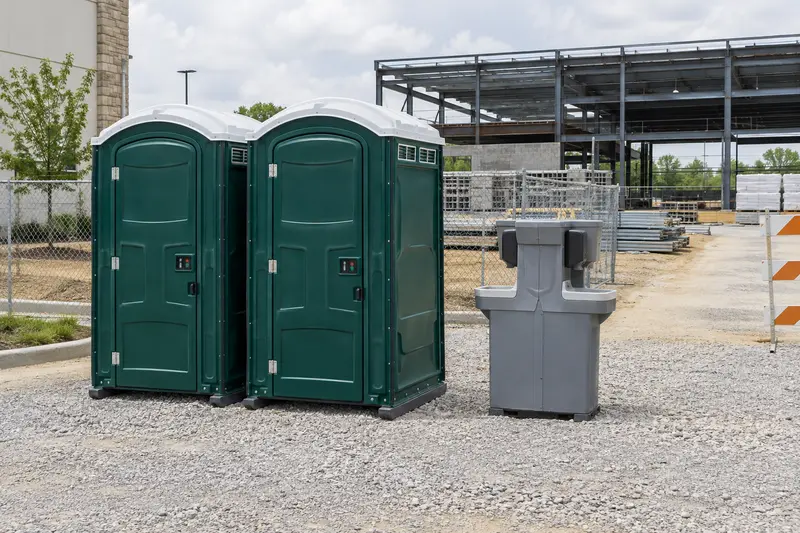
Agree the service scope, supply responsibilities and method for reporting concerns. A wash station may need its own monitoring arrangement rather than being treated as an incidental extra beside the toilet.
Review the end date when the work programme changes. Ask for collection explicitly and keep the equipment reachable until it has been removed. The end of a trade’s work does not necessarily end the rental for the whole site.